
Lecture at the Académie de la Mer in Monaco
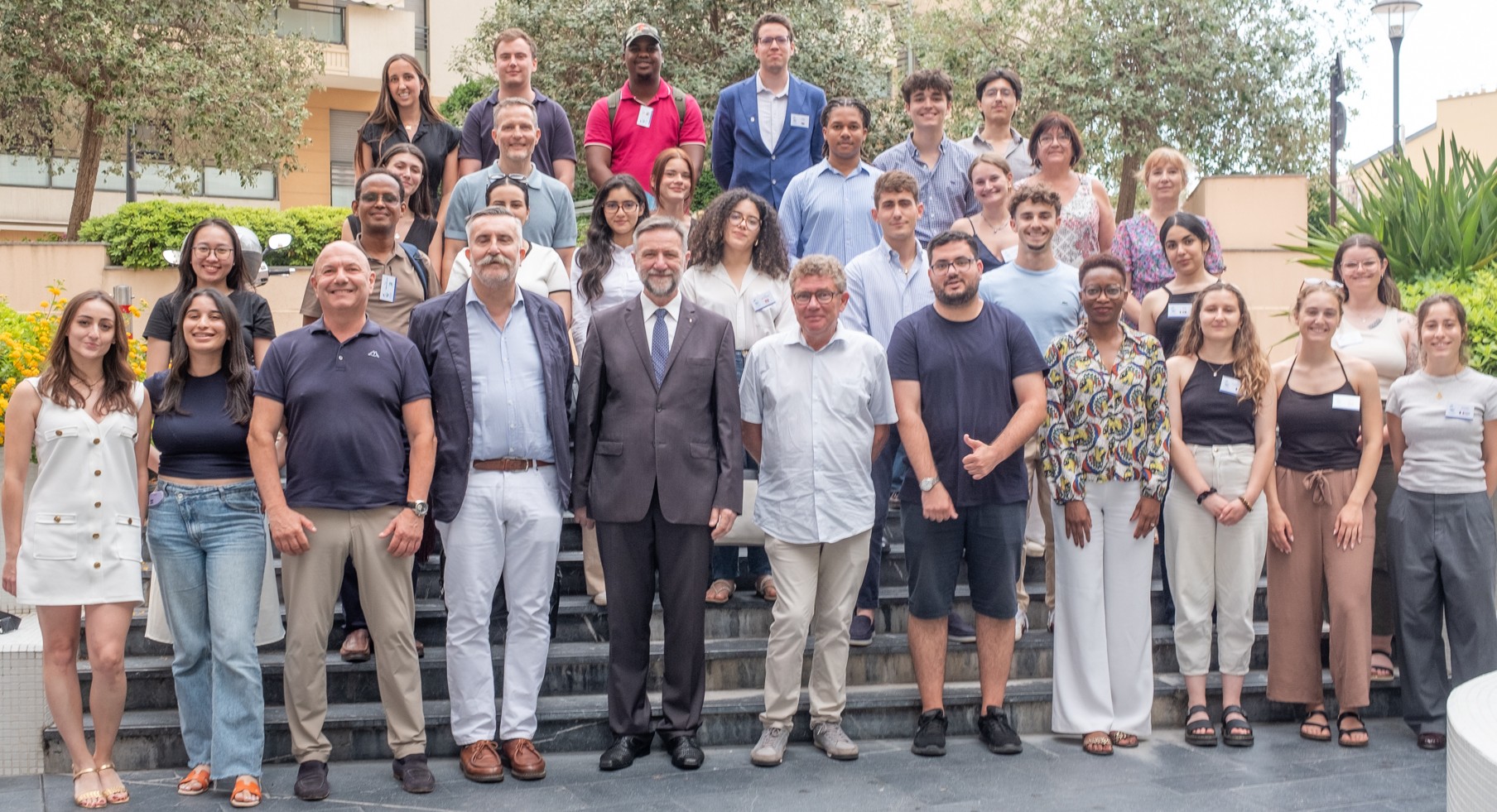
At the invitation of Laurent Anselmi, Executive President of the Académie de la Mer in Monaco, I took part on 30 June 2026 in a lecture and discussion within the half-day module “The Balkans and the Sea” (Les Balkans et la Mer).
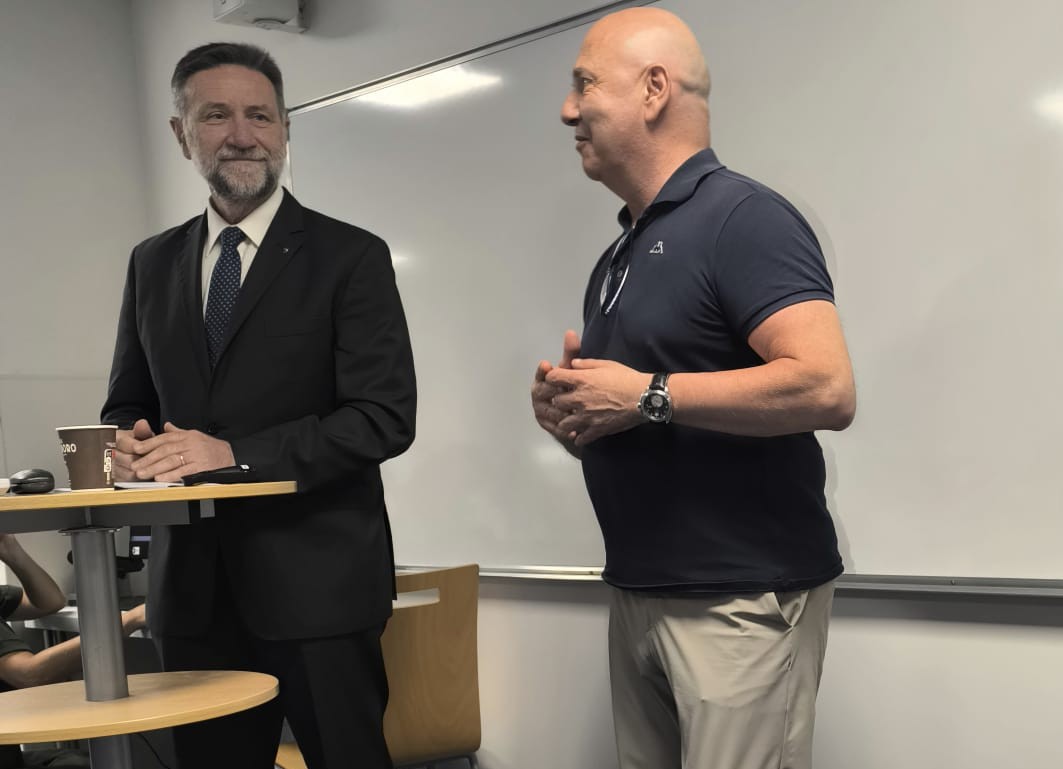
Following the opening remarks by the President of the Academy, the round table also featured Géraud Poumarède, Professor of Modern History at Sorbonne University, and Jean-Arnault Dérens, Editor-in-Chief of Le Courrier des Balkans.
The round table was devoted to the historical and geopolitical dimensions of South-Eastern Europe. The discussion focused on the maritime perspective of the countries of the region, including those without direct access to the sea.
In my lecture, I began from the premise that the Balkans are most often portrayed primarily as a mountainous region. I sought to reverse this perspective by opening a view from the sea.
I emphasised that, in European political geography, the Balkans denote not merely a geographical area but also a historical, cultural, and geopolitical construct whose meanings have continually evolved over time. Reflecting on the Balkans therefore requires us to examine questions of identity, belonging, and the place this region occupies within Europe.
I first explained why the term “Southeast Europe” has become increasingly widespread and why I advocate its use. I then discussed Croatia as a Mediterranean, Central European, and Danubian country. In the concluding part of my lecture, I turned to the Mediterranean and the Three Seas Initiative from the perspective of European geostrategy.
I further advanced the argument that the Balkans cannot be reduced to a purely continental reality. Viewed from the sea, the region appears less as a European periphery and more as one of the key connecting areas between Central Europe, the Mediterranean, and the Black Sea basin.
The participants of the Academy had been selected from several countries, and the entire programme was conducted in French. The Academy's principal supporters were the Princely Government of the Principality of Monaco (Gouvernement Princier de la Principauté de Monaco) and the Agence universitaire de la Francophonie (AUF).
The Monegasque television broadcaster also reported on the work of the Académie de la Mer, featuring an interview with me in its coverage. The report is available via the link below.
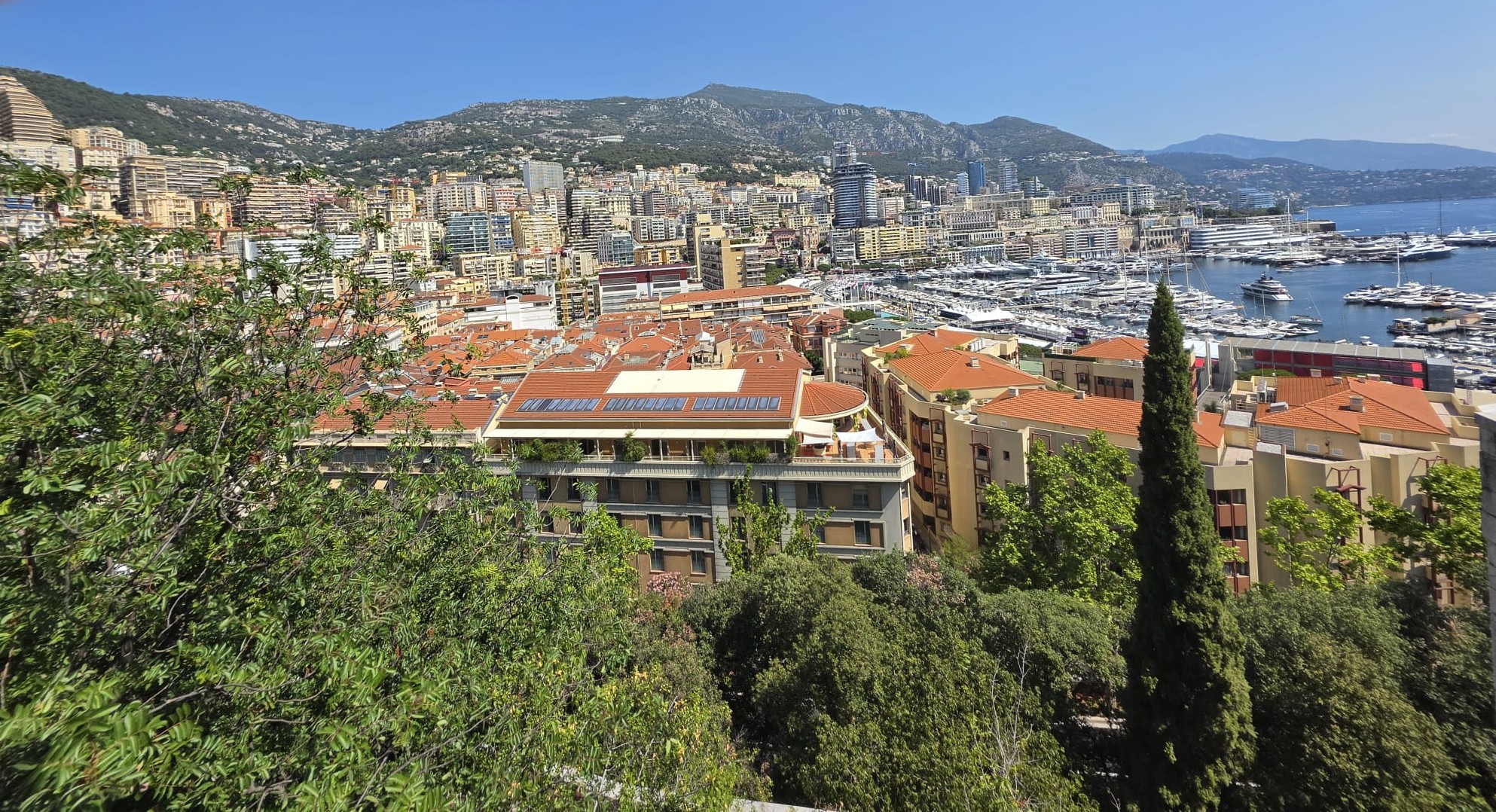
My stay in Monaco also gave me the opportunity to become more closely acquainted with Monaco and Monte Carlo. The organisers hosted a dinner for the lecturers at the Café de Paris Monte-Carlo.
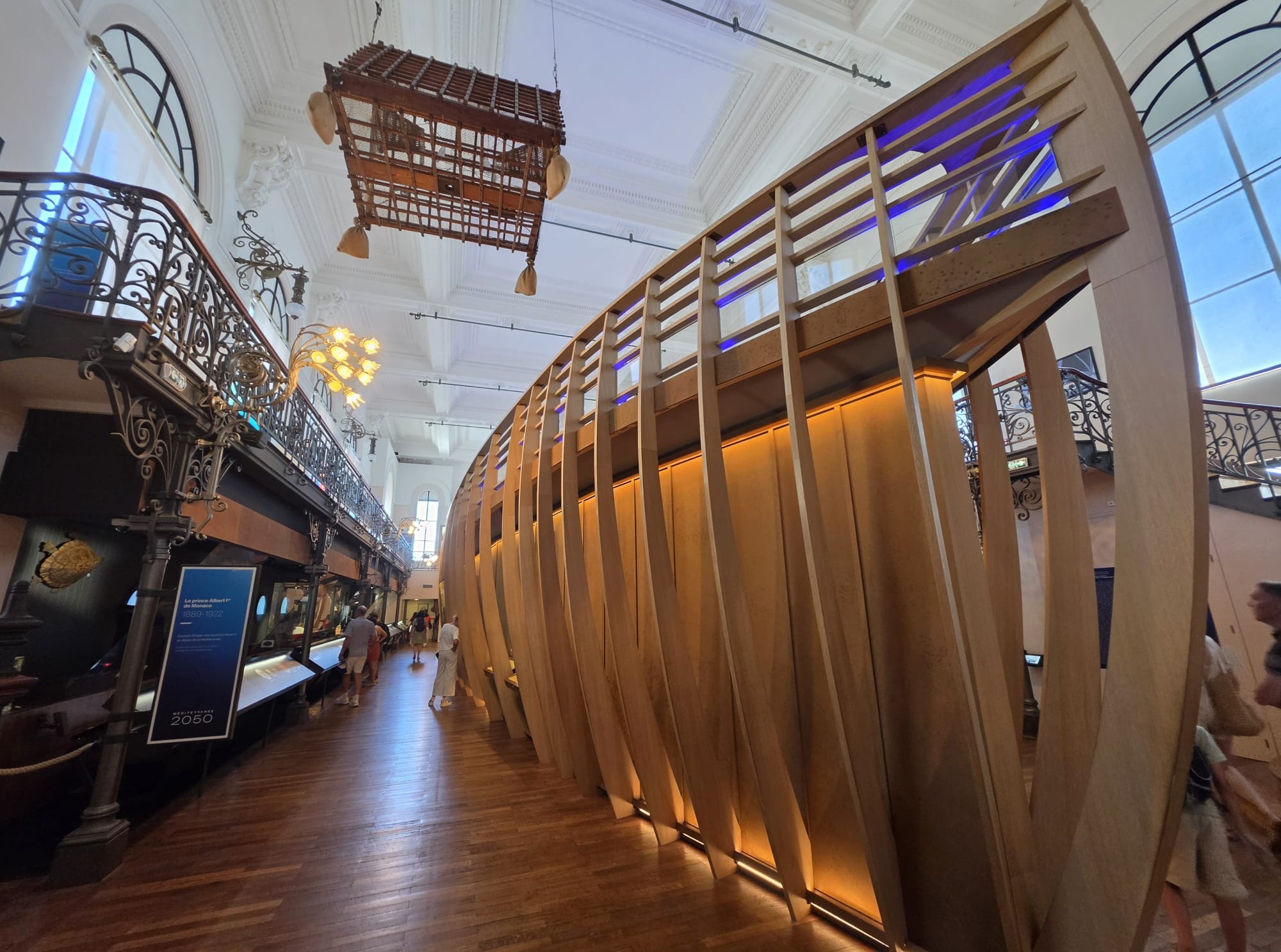
The following day, I visited the renowned Oceanographic Museum and toured the Prince's Palace, as well as Monaco's historic old town.